Bikes and cycling. Shopify for stores where every product needs advice.




What sets bike and cycling projects on Shopify apart
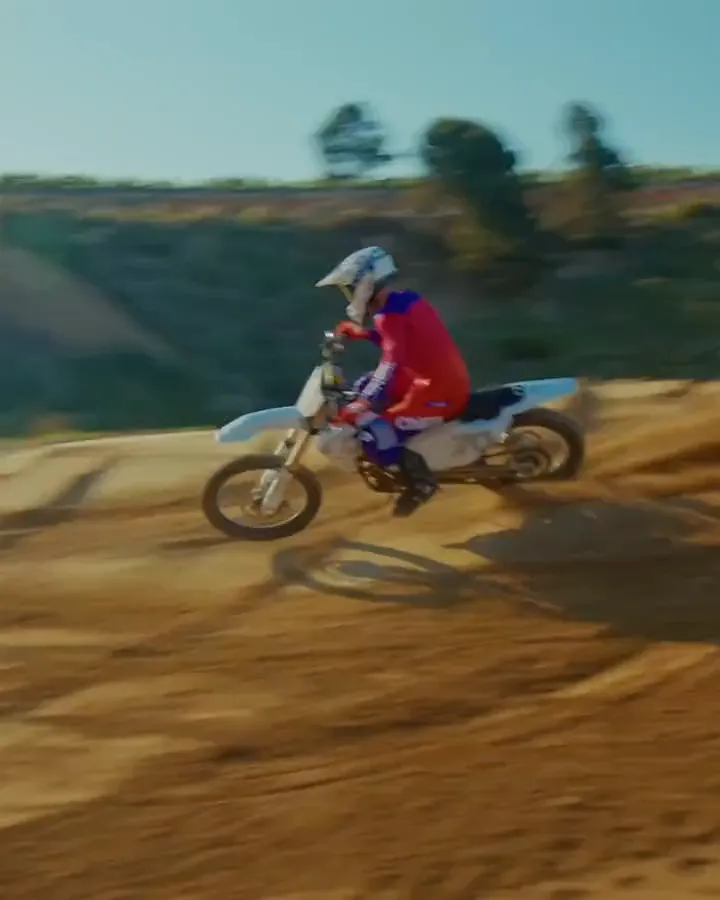
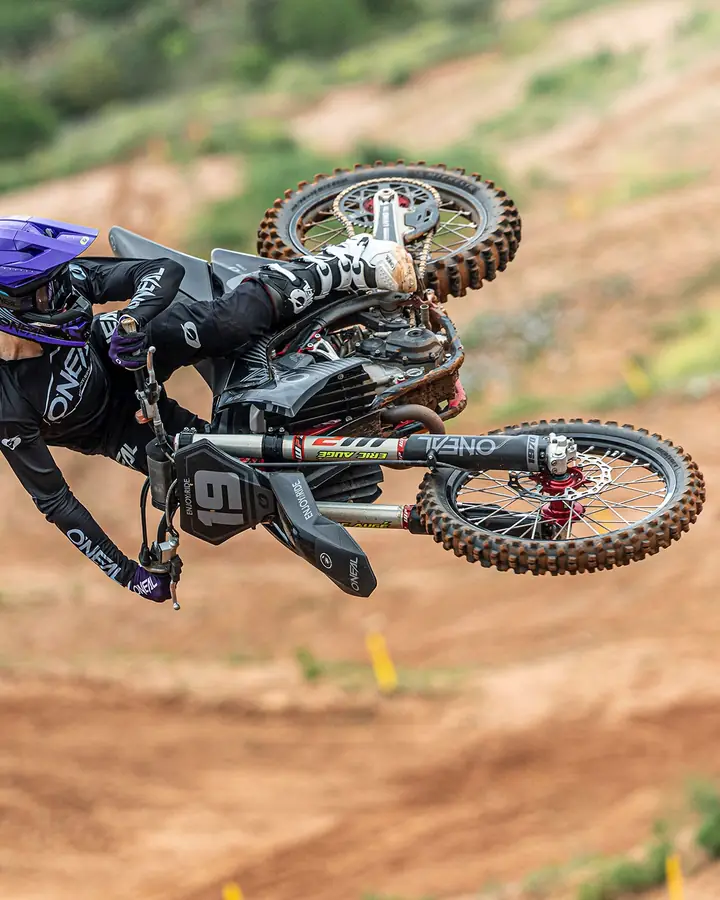
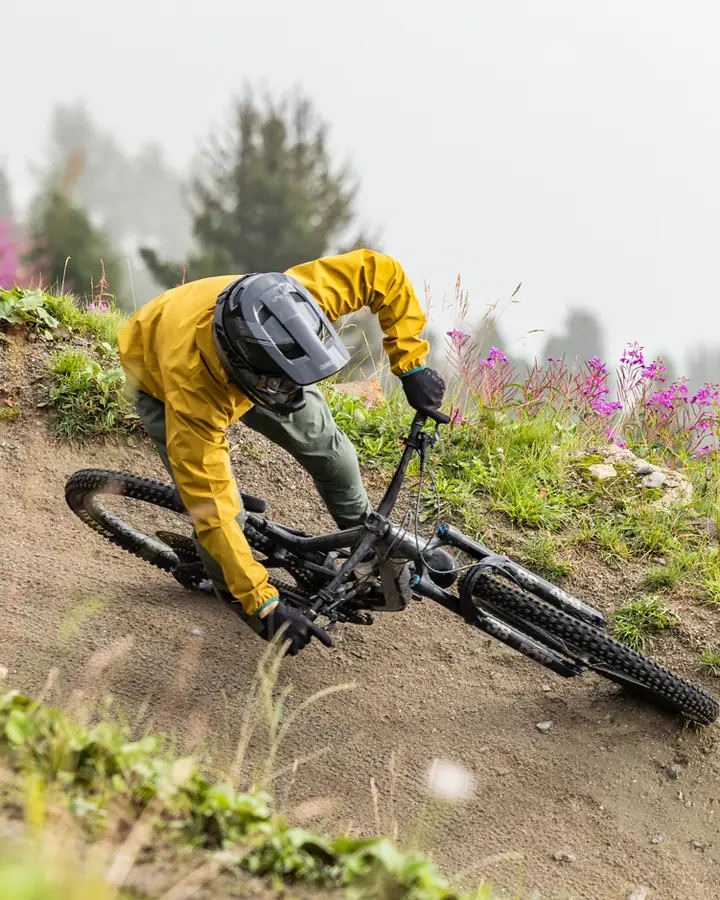
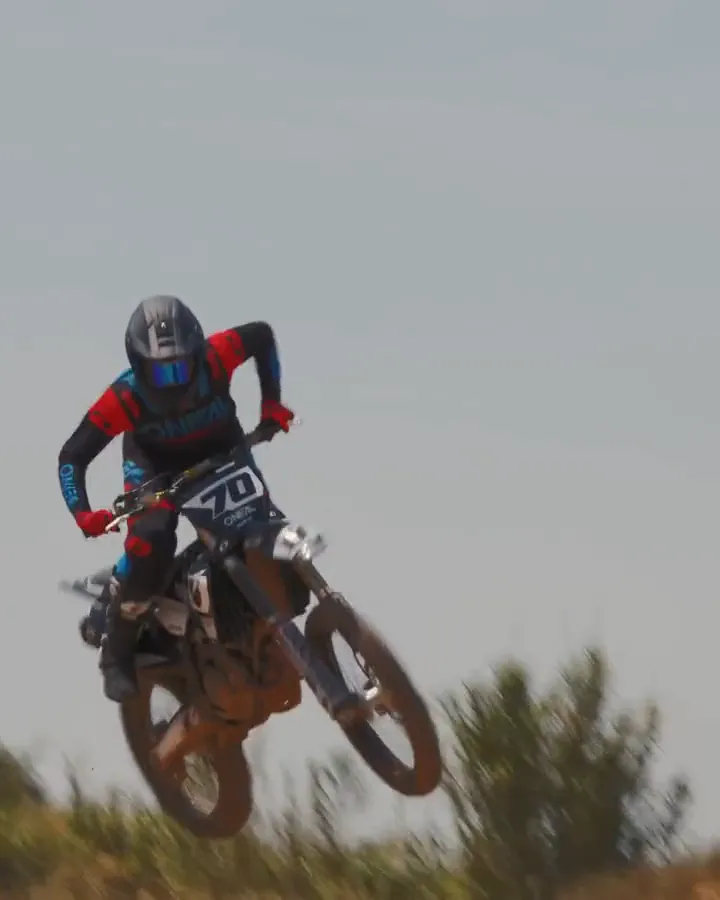
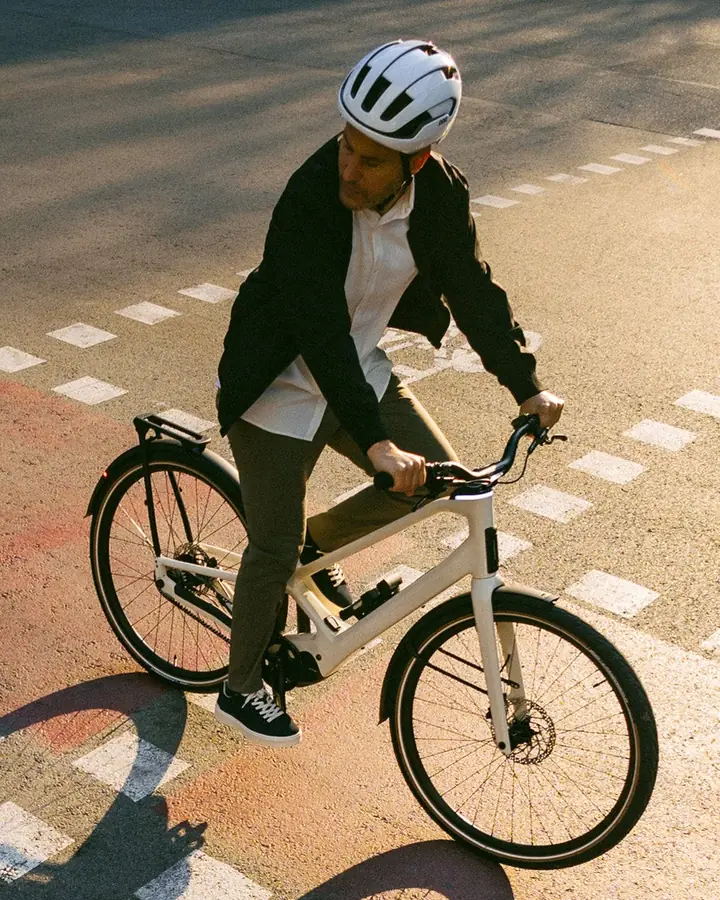
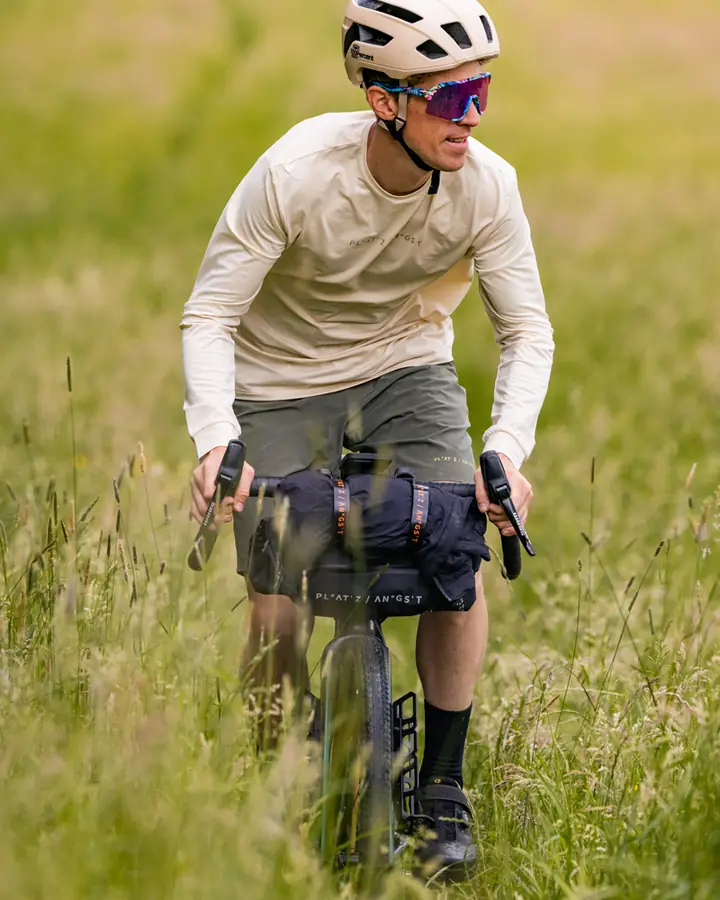
Bikes are expensive, need explaining and are bulky. If you sell them online, you need leasing and financing in the buying process, size advice, parts that verifiably fit together and shipping that can handle assembled bikes. We build Shopify Plus setups for exactly that. From the industry, Bikemailorder and Platzangst work with us, both moving from Shopware 6 to Shopify Plus, alongside the motocross and MTB brand O'Neal.
What sets a bike store on Shopify apart from other online stores?
A bike is rarely an impulse buy. The basket value is high, the choice depends on body height, intended use and budget, and many customers want to know before buying how they can finance or lease. On top of that come spare parts and accessories that only fit when standards and dimensions match. So the store has to advise, not just display.
The journey after the purchase is different too. A bike ships as bulky freight, needs final assembly or a handover in the workshop, and service and inspections are a fixed part of the business for many retailers. A store that only knows basket and parcel shipping leaves these parts with the team, which then catches them by phone and email.
That is why we start bike projects with the processes, not the theme: which payment methods and leasing routes exist, which system owns stock and serial numbers, how bikes are shipped, what happens in the workshop. Only once that is settled do we decide on page types, apps and integrations. That avoids later rebuilds, which cost far more in live operation.
How do you bring bike leasing into the checkout process?
Employee bike leasing is how many people get a high-quality bike. The employer leases the bike through a leasing provider and passes it on to the employee, and the instalment usually runs through payroll. For the store this means that part of the orders is not paid directly but handled through a provider that requires its own approvals and documents.
Technically this is a separate route next to the normal checkout. It needs a clear choice in the basket, the handover of order data to the provider, a status for pending approvals and a rule for when stock is reserved or released again. With Checkout Extensibility and Shopify Flow, parts of this route can be mapped in Shopify Plus instead of being chased up by hand.
At Bikemailorder, bike leasing is explicitly part of the scope of the migration from Shopware 6 to Shopify Plus. The case study is in progress, so we do not share implementation details here. What can be said in general: leasing is not a plugin you switch on at the end, but a process that has to be settled before the design.
What should be settled before a leasing or financing route
- Which leasing providers and financing partners are connected and how they accept orders
- From which order value and for which products leasing or financing is offered
- How accessories, service and shipping costs are handled in the leasing order
- When stock is reserved and what happens when an approval is declined
- Who in the team checks and follows up on pending leasing orders
How does the store help customers choose the right frame size?
Frame sizes are stated differently depending on manufacturer and bike type, sometimes in centimetres, sometimes in inches, sometimes as S, M and L. A general size chart does little to help. What matters is body height, inside leg and intended use, and the recommendation has to sit on the individual model, because geometries differ even within one brand.
We set up frame size, recommended body heights and geometry data as metafields on the product. From these comes a size calculator on the product page that works with the same data as filters and search. Because Shopify knows three option dimensions per product, such as size, colour and specification, we plan early which attributes are variants and which sit alongside as data.
How do parts compatibility and standards become structured data?
With spare parts and components, compatibility decides the purchase. Does the cassette fit the freehub, the brake rotor the mount, the bottom bracket the frame, the thru-axle the fork? If that only sits in the description text, the question stays with the customer. They order the wrong part, send it back or ask support, and both cost you margin.
We model standards such as axle dimensions, mounting dimensions, wheel sizes and drivetrain systems as metaobjects that products reference. That lets the store filter by them, show on the product page what a part fits with, and point to matching accessories in the basket. The biggest effort lies in data maintenance: the values have to be taken over cleanly from manufacturer data or the inventory system.
Structured compatibility data also helps outside the store. Google and AI assistants increasingly answer questions about which part fits a particular bike directly. They can only do that when the information is machine-readable and uses the same terms across the whole range. Consistent terms are therefore the first step of the work, before any filter logic.
How do you ship bikes as bulky freight, and how do workshop and collection fit in?
A bike in a box is bulky freight. Whether it arrives partly assembled or fully assembled and ready to ride changes packaging, carrier, costs and what customers expect. E-bikes come with batteries, and their shipping follows rules of its own. These differences belong in the store as shipping profiles and product data, so that costs and delivery time are right on the product page already.
Many bike retailers have a workshop or a physical shop. Click & Collect connects the two: the bike is bought online, made ready to ride in the workshop and handed over on site, often with saddle and handlebar set up. With Shopify POS, in-store sales and online stock run in one system, instead of maintaining two inventories separately and reconciling them every evening.
Service and inspections can be connected as well, for example as a bookable service or as an appointment request that goes straight to the workshop. What matters is that workshop planning can keep its own system if it runs well there. The store should hand over requests cleanly and not try to rebuild every piece of workshop logic itself.
What do clothing and protective gear need in a bike store, including across several countries?
Cycling clothing and protective gear follow sizing logic of their own. Jerseys, shorts and gloves fit differently depending on the cut, while helmets and protectors are chosen by head circumference or body measurement and have to fit properly to protect. Fit notes therefore belong on the individual product, and material and use case in structured fields that filters and search can read.
If you sell beyond Germany, you need prices, currencies, taxes and content per market. Shopify Markets handles this in one store, instead of maintaining a separate store for every country. At Platzangst, a brand for MTB and gravel clothing, internationalisation is part of the migration from Shopware 6 to Shopify Plus. Here too the case study is in progress.
What we work on in bike and cycling projects
Leasing and financing in the buying process
A dedicated route for employee bike leasing and financing next to the normal checkout, with clear statuses for pending approvals and rules for reservation and cancellation.
Size advice from product data
Frame size, recommended body heights and geometry as metafields on the product. From these come size calculators, filters and fit notes on the product page.
Compatibility as a data model
Standards for axles, mounting dimensions, wheels and drivetrains as metaobjects, so that parts are filterable and the store can suggest matching accessories.
Bulky freight, workshop and collection
Shipping profiles for partly assembled and ready-to-ride bikes, Click & Collect with handover in the workshop and Shopify POS for shops with shared stock.
Migration and internationalisation
Moving from Shopware 6 to Shopify Plus with data, URLs and processes carried over, plus Shopify Markets for prices, currencies and taxes per country.
Clients from bikes, cycling and cycling clothing
Three clients from the industry whose case studies are still in progress. That is why there are deliberately no figures here, only what has been publicly announced about the projects. We publish figures only once a case study backs them up.
Common questions from bike and cycling projects
Can customers order a bike from us through employee bike leasing?
How do we offer financing for expensive bikes?
Is a size calculator on the product page worth it?
How do we show which parts fit together?
Can we sell online and hand over in the workshop?
How much work is the move from Shopware 6 to Shopify Plus?
Related services
Leasing, sizes, shipping: talk to us about your store
Tell us what you sell, which systems are attached and where leasing, advice or shipping are still manual work today. We will tell you what belongs in Shopify and where we would start.
This page is based on clients from the industry whose case studies are still in progress. That is why there is deliberately no figure here until a case study backs it up.