Fashion and accessories. Shopify for ranges with a lot of variants.


















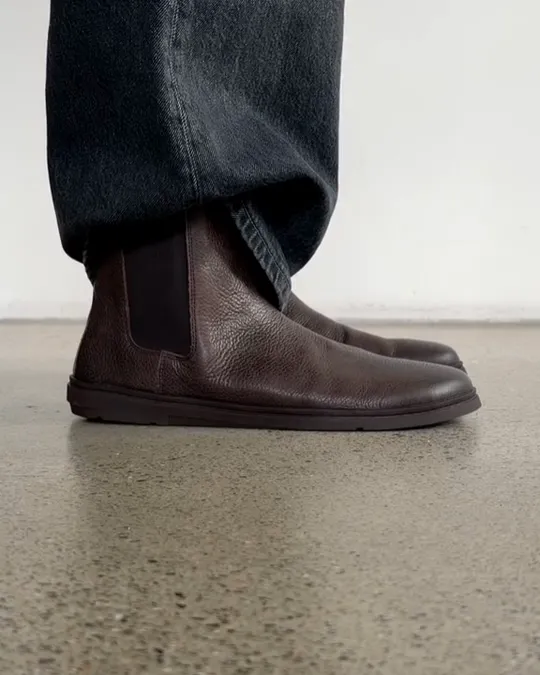


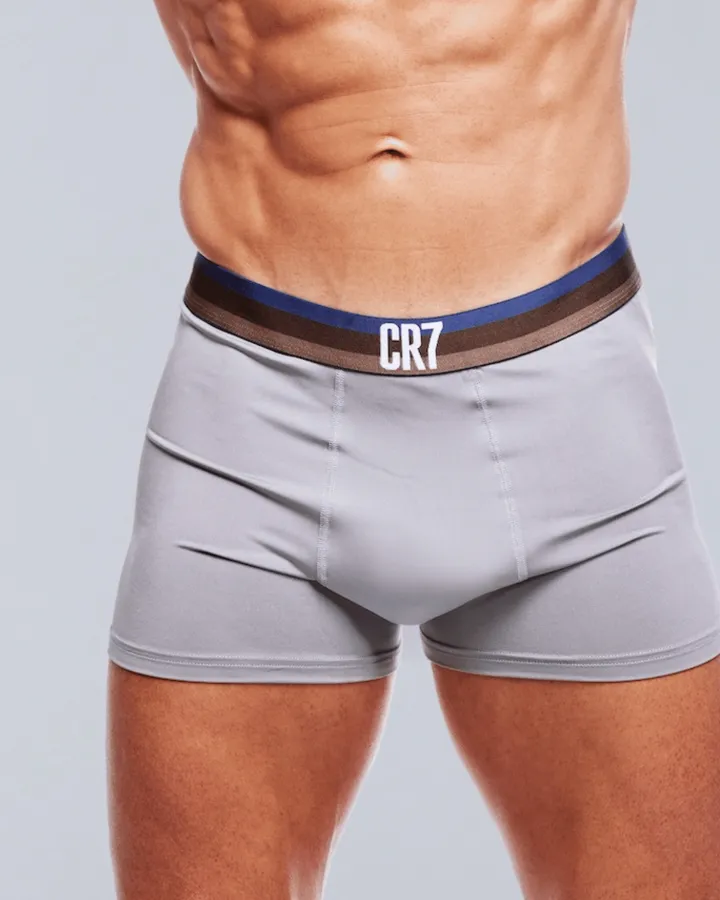
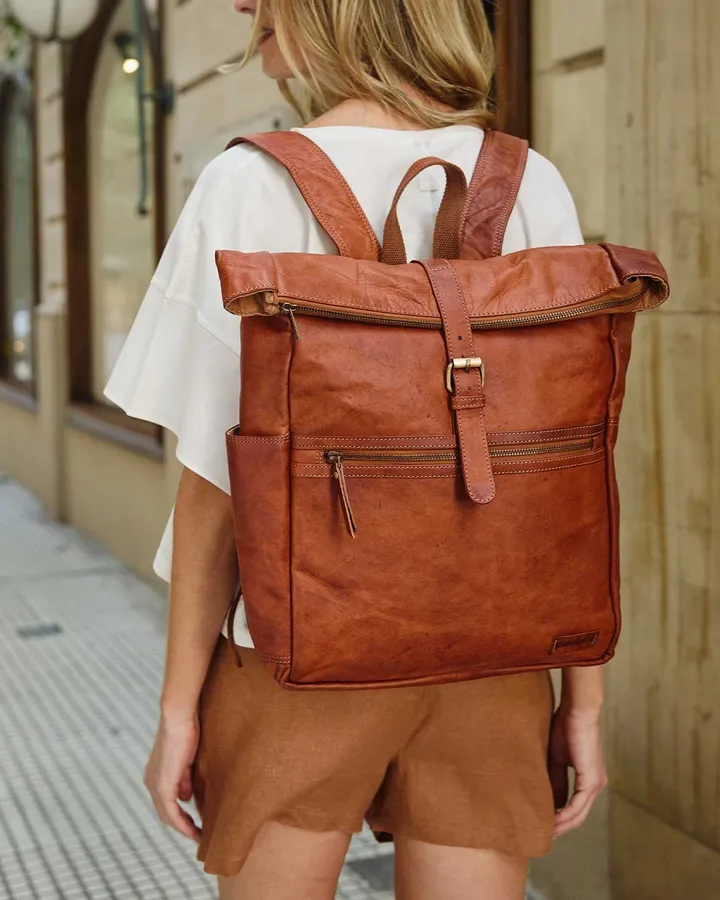






What sets fashion projects on Shopify apart
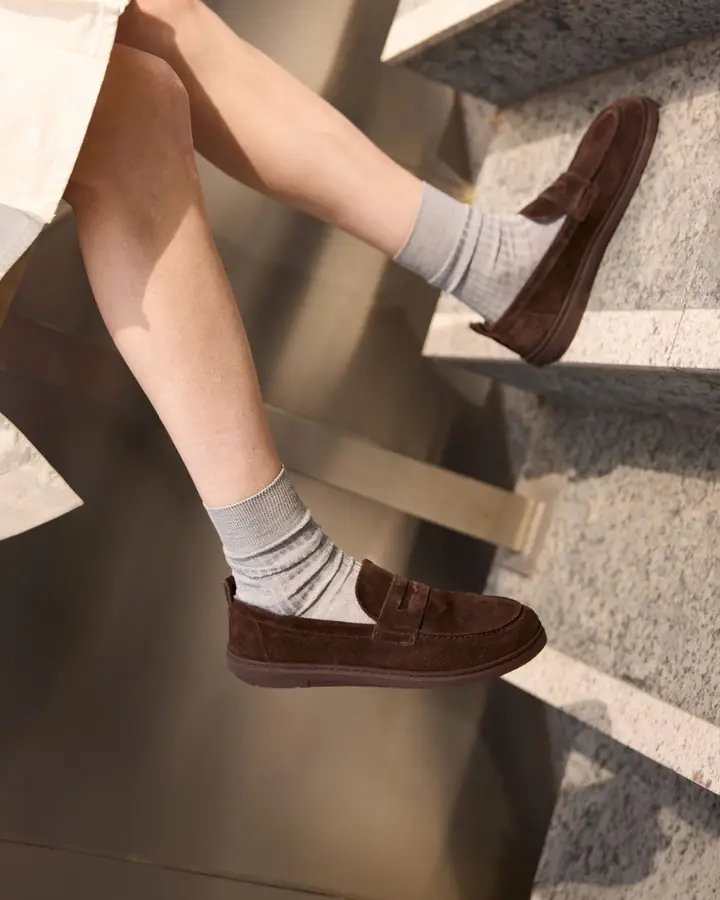
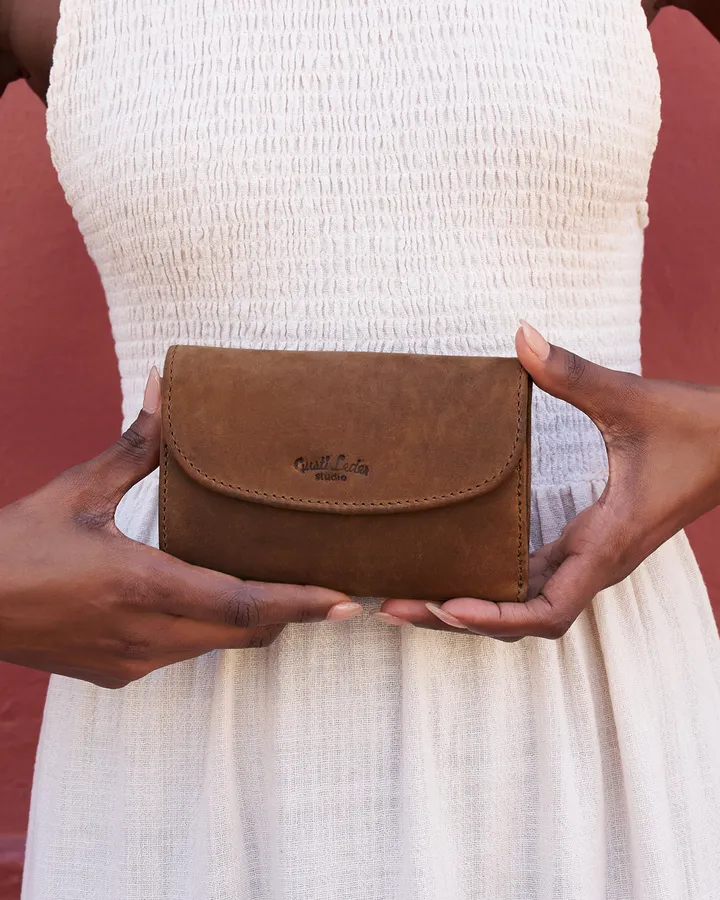
Fashion, footwear and leather goods put pressure on a store in places other ranges never do: many size and colour variants per article, returns as a core commercial metric, collections that turn over with the season, and markets with their own currencies, tax rates and sizing systems. We build Shopify setups that carry exactly that, proven with Groundies, Gusti Leder and MYCR7. The numbers from those projects follow below.
Why is fashion on Shopify mostly a variant problem?
A fashion article is rarely one product. It is a colour times a size run, often across several widths or lengths. One boot quickly becomes dozens of variants, one collection a great many. How you model that decides your maintenance effort, your filters, your stock logic and how fast the product page loads.
Shopify allows three option dimensions per product. Colour, size and width already use them up. Add material or finish and one attribute has to become a product of its own, linked to its siblings in the theme. That decision is best made before the migration, not afterwards in day-to-day operations.
For Gusti Leder we moved more than a thousand products across from Shopware. The work was not in the import. It was in deciding which attribute becomes a variant, which one stays a metafield, and which property still earns a filter or a place on the page at all.
What should be decided before the migration
- Which attribute becomes a variant and which one stays a metafield on the product
- How size runs are named so that filters work across series
- Whether width, length or material needs a product of its own
- Which legacy stock leaves the catalogue instead of migrating with it
- How variant SKUs line up with the system that owns inventory
How do you reduce returns instead of just processing them?
In fashion and footwear the return rate is not a reporting metric; it is the lever on your contribution margin. Most of it is created before the purchase: vague size information, images without a sense of scale, missing material detail. That is product data work, not something to clean up in a returns portal.
On the product page, what helps is specific: size charts per series rather than per store, notes on whether an item runs small, images on a model with the size stated, materials in plain language. If the same size fits differently depending on the last, that belongs on the product, not on a general help page.
The processing itself should be automated. At Groundies it runs through 8returns, connected to Shopify, alongside Zendesk for support and Workato for the warehouse connection. The effect shows up less in the returns process itself than in the number of manual interventions it used to cost every week.
How does a new collection get into the store?
Fashion runs on a seasonal rhythm. Twice a year a large part of the range turns over, and in between there are drops, restocks and clearance. A setup that treats every collection change as a project slows you down twice a year and ties up development time that is needed elsewhere.
In practice that means collections are filled by rules rather than by hand, campaign pages are assembled from theme sections rather than new code, and stock comes from the system that owns it. At Gusti Leder the ERP feeds inventory, orders and returns into Shopify over a REST interface.
If you also sell in stores or through marketplaces, you need a clear answer to which system owns inventory. At MYCR7 that is a proprietary ERP; Shopify is a sales channel, not the source of truth. Settling this early spares you the later argument about which stock figure is correct.
What does an international rollout in fashion really need?
In fashion, going international is more than currency and language. Sizing systems differ by country, tax and duty rules apply differently per market, and return addresses have to be local. Shopify Markets covers pricing, tax and domain logic; the sizing logic belongs in your product data, where it can be maintained.
At Groundies two legacy systems sat side by side: OXID for the United States, Shopware for international. We merged both onto a single shared Shopify Plus codebase and launched in two steps, the United States first, international sixty days later. The project ran six months from kickoff to international rollout.
A staged launch is a method, not a compromise. One market goes live, the team learns from real orders, then the rest follows. MYCR7 worked differently: the EU and Switzerland at the same time, with EUR and CHF and separate tax logic, because both markets were needed at launch.
What has to be settled per market
- Currency, price rounding and dedicated price lists
- Tax rates, customs duty and delivery thresholds
- Sizing system and how it converts in the size chart
- Domain, language and the structure of language references
- A local return address and the local payment mix
How do you add personalisation without breaking the checkout?
Engraving, monograms, colour combinations: personalisation raises the value of an article and makes it non-returnable at the same time. Technically there is more to it than an input field. The configuration has to reach the order, the warehouse, the delivery note and the returns rule, or the work turns up manually later.
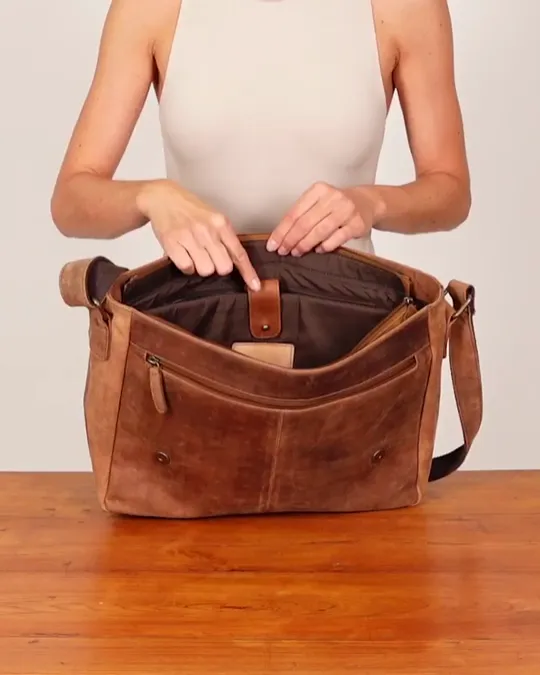
For Gusti Leder we built a dedicated Shopify app for this: an engraving configurator with a live preview directly on the product page, with no page change. Custom-built rather than a third-party app, because the preview has to match the product image and the data has to run cleanly into ERP and fulfilment.
The Gusti Leder store went live in eight weeks and the conversion rate rose by 45 per cent. We do not credit that to the configurator alone: the migration, the theme and the checkout were all renewed in the same pass.
Images, load time and the limits of a fashion front end
Fashion sells through images. A product page with many views, zoom, a model video and a colour switcher quickly weighs more than the rest of the page combined. The answer is not fewer images but proper delivery: responsive sizes, modern formats, lazy loading below the fold, fixed aspect ratios against layout shift.
The second lever is the colour switcher. If every colour variant reloads half the product page, you pay for that on every click. Built properly, only the image sources are swapped and the selected variant is held in state. That is work on the theme, not a question of which app you choose.
What we work on in fashion projects
Variant architecture
We settle which attribute becomes a variant, which stays a metafield on the product and how size runs are named, so that filters, inventory and reporting line up across the whole range.
Returns process and size guidance
Size charts per series, honest fit notes on the product page and automated processing in the background. At Groundies connected to Shopify through 8returns, Zendesk and Workato.
Collection and season operations
Rule-based collections, campaign pages built from theme sections and stock from the system that owns it. Changing a collection should be editorial work, not a development project twice a year.
International rollout with Shopify Markets
Currencies, tax rates, domains and price lists per market. At Gusti Leder for DACH, France and the UK, at MYCR7 for the EU and Switzerland with EUR and CHF.
Personalisation as a dedicated app
Configurators that match the product image and whose data carries through into order, warehouse and returns. For Gusti Leder as an engraving configurator with a live preview on the product page.
Migration without losing visibility
A full mapping of the old addresses, 301 redirects with no chains and a cutover that does not stop day-to-day trading. At Gusti Leder part of the go-live after eight weeks.
Evidence from fashion, footwear and leather goods
Three projects, three different starting points: consolidating two legacy systems, a migration with a configurator, and building a first direct-to-consumer channel. The figures come from the linked case studies.
Two legacy systems (OXID for the United States, Shopware for international) merged onto one Shopify Plus codebase, including connections to Zendesk, Workato, Reviews.io and 8returns. The launch was staged: the United States first, international sixty days later.6 Monatevon Kickoff bis internationalem Rollout-50 %Kosten gegenüber dem Vorsystem100+Bestellungen in den ersten drei Tagen nach US-LaunchRead case study
Migration from Shopware to Shopify Plus with a custom app as an engraving configurator with live preview, an ERP connection over REST API for inventory, orders and returns, plus Shopify Markets for DACH, France and the UK. Alongside that, a complete 301 redirect concept.8 Wochenbis Go-Live+45 %Conversion Rate1.000+migrierte ProdukteRead case study
A first direct-to-consumer channel alongside retail and marketplaces: Shopify Markets for the EU and Switzerland with EUR and CHF, a connection to a proprietary ERP, Klaviyo flows and server-side tracking.6 Wochenbis Go-Live+120 %Umsatz nach Start des D2C-KanalsRead case study
Common questions from fashion and footwear projects
How many variants can one Shopify product hold?
Does replatforming reduce the return rate?
How long does a migration in this industry take?
Do we need Shopify Plus?
How does an engraved product reach inventory cleanly?
Is a direct-to-consumer store worth it next to marketplaces?
Related services
Range, returns, markets: talk to us about where you stand
Send us your range, your legacy systems and the markets you want live at launch. We will tell you what can be migrated, what has to be decided again from scratch, and in which order we would do the work.
This page exists because three delivered projects stand behind it. Every figure above appears exactly that way in the linked case study.