Shopify Development Agency for Themes and Storefronts

    NICCOS is a Shopify development agency in Germany and a Shopify Plus Partner since April 2022. We build themes and storefronts for international brands selling into Germany, Austria and Switzerland, and for DACH brands expanding abroad. You end up with a documented theme that your own team maintains in the theme editor.
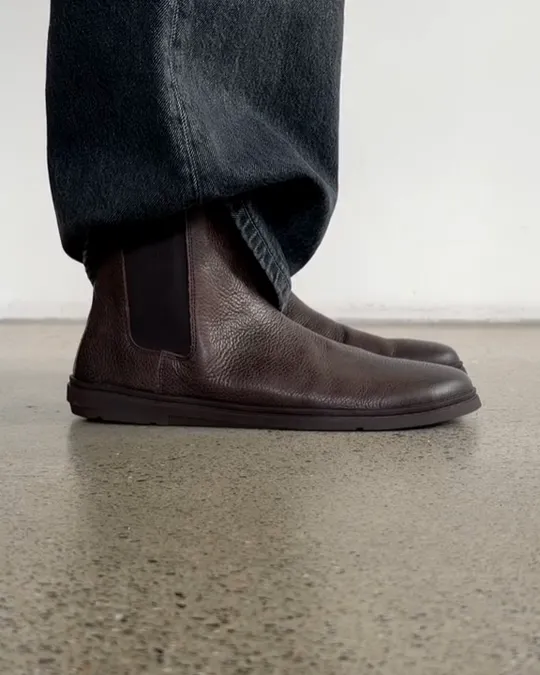
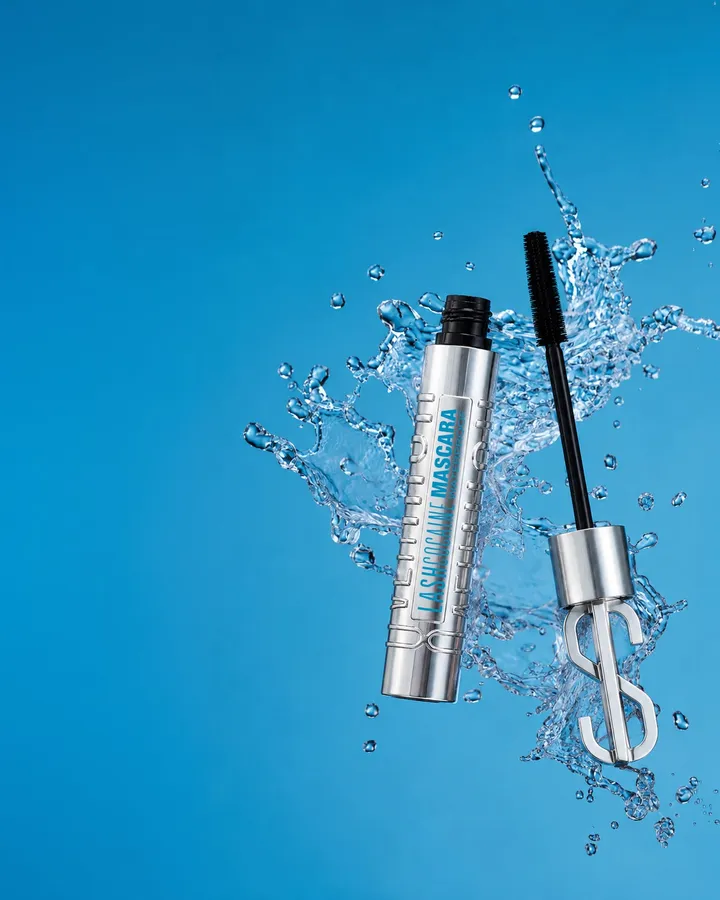
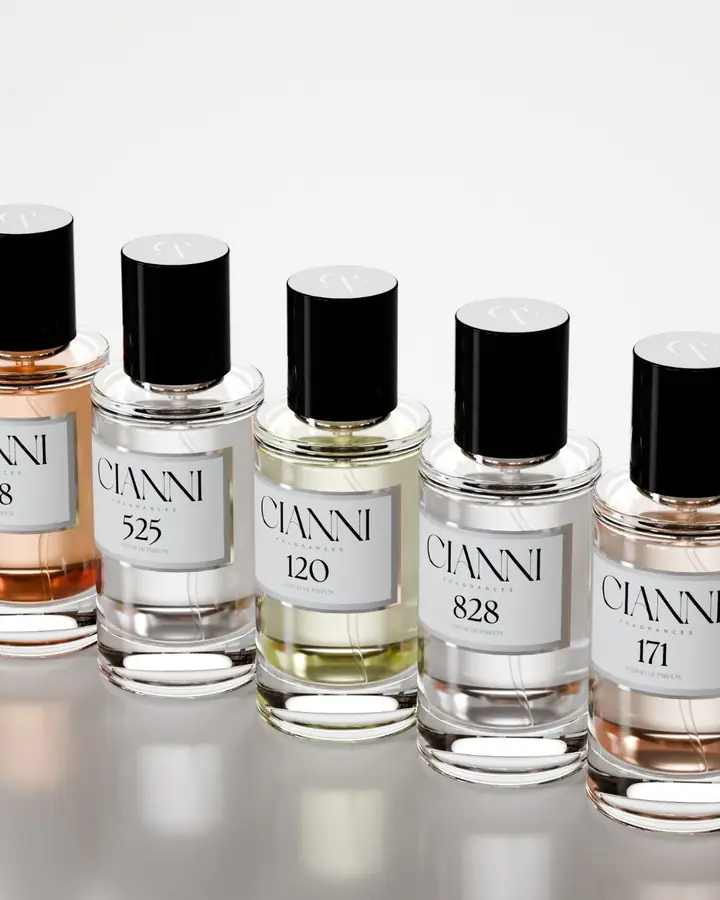
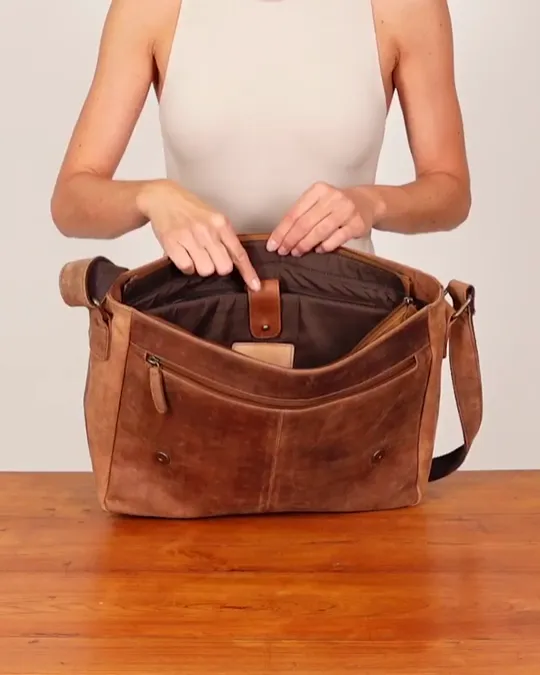
    Gold Holzkern women's watch with a mother-of-pearl dial on the wrist, worn with a fine braceletWoman in a fitted black training jacket in a bright room with light shadowsLaughing toddler sitting in the grass holding a Mintkind milestone cardBrown leather Groundies Chelsea boots stepping into frame on a concrete floorSilver mascara with its wand in a splash of water against a blue backgroundMan with stubble holding a black maleup Face Cream dispenser against his cheekRow of Cianni perfume bottles with black caps on a light reflective surface.Hand holding a vitamin D dropper bottle above a green quilted throw on a sofa.PHARMOS NATUR skincare products arranged as a calm still life in warm light.Glass ampoules moving through a filling line in Heel's productionMan in a white T-shirt and black boxer briefs sitting on the floor of a loft by a window frontHands opening a brown leather Gusti messenger bag and showing the inner compartmentsThree young people in streetwear jackets and knitwear in front of the Eiffel TowerMan in a cream track jacket leaning on a harbour wall with boats and the old town in evening light behind him

    Brands we work for

    MYCR7 logo
    CAT logo
    O'Neal logo
    FRITZ! logo
    Groundies logo
    Gusti Leder logo
    Smilodox logo
    Sirocco logo
    Olakala logo
    Deputy logo
    Bikemailorder logo
    Prepmymeal logo
    Freiluftkind logo
    Bloomingloft logo
    Heel logo
    Languages, currencies and markets run on one theme instead of a copy per country.
    One codebase
    Documented Liquid that your team or another agency can continue to work with.
    Code you own
    Core Web Vitals, mobile rendering and the purchase journey are checked before the theme is published.
    Signed off before launch

    How do you build one Shopify theme for several markets?

    One theme can serve several countries when language, currency and tax are handled by Shopify Markets and the templates leave room for what differs. German product names are long, prices appear in EUR and CHF, and legal links belong in the footer of every market. We design sections with those cases in mind, so a new market is a configuration task.

    The operator of the official CR7 online stores had no shop system of its own and sold through physical retail and marketplaces. We built a custom theme for mycr7.eu and mycr7.ch on Shopify Plus, with a checkout in EUR for the EU and in CHF for Switzerland and the client's proprietary ERP connected. According to the MYCR7 case study, the store went live after 6 weeks and revenue afterwards was 120% above the level from retail and marketplaces.

    Gusti Leder came from Shopware. We built a custom theme and set up Shopify Markets for DACH, France, the UK and further European markets with country-specific domains and language versions. The Gusti Leder case study reports go-live within 8 weeks and a 45% higher conversion rate. Our page on Shopify internationalisation covers the market setup itself.

    What does a Shopify development agency take on?

    We own everything your customers see and use in the browser: templates, sections, navigation, product page, cart and the extensions in the checkout. We are responsible for the theme architecture, the data model of metafields and metaobjects, and the sign-off before go-live. Logic that runs in the admin or on a server belongs to Shopify app development.

    NICCOS has been a Shopify Plus Partner since April 2022. Our entry in the Shopify Partner Directory shows 19 reviews with a rating of 5.0. The storefronts we have built are documented in 13 published case studies.

    A development project starts with a review of what the existing theme can still carry. Removing unused code and putting the structure in order is often enough. A rebuild pays off when templates have been overlaid for years with special cases and leftovers of old apps.

    Can your team run the storefront without developers?

    Yes, if the theme was built for it. We design sections and blocks as a kit with defined limits: how much text fits, which image formats apply and what happens when content is missing. Colours, type sizes and spacing sit in the theme settings. Your marketing team then builds landing pages in the theme editor.

    Mintkind, a family brand from Hamburg for memory books and gifts, ran Shopware 6 with high maintenance effort and slow cycles for content and campaigns. We developed a new theme that carries the brand from navigation to product detail page and transferred products, customer accounts and order history. According to the Mintkind case study, the store went live after 90 days. The Mintkind team now maintains landing pages, campaigns and assortment changes directly in Shopify.

    Hairshop Pro, a retailer of professional hair care, moved from Plentymarkets, where campaign pages were laborious to maintain. We built the storefront on Shopify Plus and set up the admin for the marketing team. The Hairshop Pro case study reports a 35% higher conversion rate after launch and a 20% higher average order value from bundles and cart upsells.


    Should you build a custom theme or adapt a standard theme?

    An adapted standard theme is enough while your range and purchase journey fit the templates it provides. A custom theme pays off when you deviate from the standard regularly and every change has to be re-checked after the next theme update. What decides the question is the maintenance effort after launch.


    For SMILODOX we chose an existing theme as the base. After the design phase we selected a theme that supports the planned modules and developed homepage, collection pages, product pages and the B2B area on it. The SMILODOX case study reports go-live after two months, and the internal team maintains the store.

    For Groundies a rebuild was the right route. The barefoot shoe brand ran OXID for the US and Shopware for its international markets. We rebuilt the theme completely on one Shopify Plus codebase, without legacy code. The Groundies case study reports a lead time from briefing to go-live that is roughly three times faster and a 50% cost reduction from consolidating the two platforms.

    What goes wrong in Shopify development?

    Theme projects rarely fail because of the design. They fail on a data model that is only settled during development, on apps that load their own code into the storefront, and on a sign-off that tests the happy path only. We therefore settle first which product data comes from ERP or PIM and which is maintained in the store.

    A storefront for Germany also has to display prices the way German price law requires. The Preisangabenverordnung (PAngV) asks stores to show the lowest previous price when they advertise a reduction. We developed the app Best Price Indicator (PAngV) for this, and it is available in the Shopify App Store.

    Before go-live we check Core Web Vitals, mobile rendering, behaviour across browsers and the purchase journey into the checkout. Our Shopify performance page explains how we measure load times. We are not the right partner if you only want a purchased theme installed. If the store mainly needs maintenance, Shopify support is the better fit.

    What is part of Shopify development?

    • Theme build

      We build the theme on your design system: templates, sections and blocks in documented Liquid.

    • Theme refactoring

      We remove unused code and leftovers of old apps from the existing theme. The look stays as it is.

    • Extensions on Shopify Plus

      Checkout extensions, B2B areas and stores for several countries are built on the same codebase.

    When is a standard theme enough, and when is it not?

    • Standard is enough: the range is simple

      Products with few variants and no configuration fit the templates a good standard theme provides.

    • Standard is enough: the brand is young

      While look and range are still changing, an adapted theme is the cheaper foundation.

    • Standard is enough: changes stay in the settings

      Anything solved in the theme editor survives every theme update without rework.

    • Standard is enough: nobody maintains custom code

      A custom theme needs someone to look after it. Without that role, the standard is the safe choice.

    • Custom theme: the purchase journey differs

      Configurators, bundles, subscription choices or a B2B area need templates that no standard theme provides.

    • Custom theme: every update creates work

      Once the code of a standard theme has been changed, every adjustment has to be re-checked after an update.

    • Custom theme: the theme loads too much

      Features you never use are loaded anyway. A custom theme contains only the code the store needs.

    • Custom theme: several stores share one system

      Countries, brands or B2B should belong together. One shared codebase is easier to maintain than several themes.

    What does Shopify Plus add?

    • Checkout extensions

      Your own components at the positions the checkout provides, and server-side logic through Shopify Functions.

    • B2B in the same store

      Company accounts, catalogues per customer group and price lists alongside the consumer business.

    • Several countries

      Languages, currencies and domains through Shopify Markets or separate stores per region.

    • Metaobjects

      Structured content for product information that would otherwise sit in improvised fields or extra apps.

    How does a theme project run?

    1. Review what exists

      We check which templates carry the revenue, which code loads unused and which apps reach into the storefront.

    2. Define the scope

      We separate what the theme solves from what needs an app or an integration. Scope often gets smaller at this point.

    3. Develop in a theme copy

      Changes are built in a copy of the theme and tested one at a time. The live store stays untouched.

    4. Sign off

      We check Core Web Vitals, mobile rendering, several browsers and the purchase journey, including faulty input.

    5. Publish and hand over

      The theme is published at an agreed time. Your team receives the documented code and a walkthrough of the theme editor.

    • Man in sunglasses wearing a cream polo and shorts sitting on a pebble mosaicOlakala
    • Model turning in a dark green SMILODOX set of bra top and leggings against a white backgroundSMILODOX
    • Mountain biker in a red long-sleeve jersey and white helmet riding through the forest with the front wheel liftedPlatzangst

    Is theme development your next step?

    Then you are starting in the right place

    • Every campaign needs a developer

      New landing pages only happen with code. The theme lacks sections your team can build with.

    • The theme has been changed for years

      Adjustments sit directly in the code of the standard theme. Any update can overwrite them.

    • Old apps have left traces

      Uninstalled apps left scripts and snippets behind that still load.

    • A relaunch has been decided

      Design and goal are settled, and you are looking for the team that turns them into a maintainable theme.

    Then something else will do more for you

    • The feature sits beyond the theme

      Interfaces in the admin, data processes of your own and rules in the checkout are not solved by a theme. They need an app.

      To Shopify app development
    • Visitors arrive but do not buy

      If the store is technically sound and orders are missing, we start with page structure and offer.

      To conversion optimisation
    • It is about daily operations

      For bug fixing, maintenance and small improvements, a new theme is the wrong tool.

      To Shopify support

    How can we work on your theme?

    You are building new, putting an existing theme in order or extending a store on Shopify Plus. That gives three shapes of work.

    Results from client projects

    Every figure appears in the case study, where you can verify it.

    View all projects

    Brands we build for on Shopify.

    Groundies, MYCR7 and Gusti Leder are three of thirteen projects we have published with starting point, delivery and result.

    Common questions about Shopify development

    Do we need a separate theme for each country?

    In most cases no. One theme serves several countries when Shopify Markets handles language, currency and tax. Separate stores make sense when a market has its own range, warehouse or team. They can still share the same theme code.

    Can you build from our existing design files?

    Yes. If the design exists, we check it against the Shopify data model and the limits of the checkout, then build it as templates and sections. States that are missing in the files, such as sold-out variants or empty carts, are settled before development.

    Who owns the theme code?

    You do. You receive the documented Liquid code and a walkthrough of the theme editor. Your team or another agency can continue to work with it.

    How long does a theme project take?

    It depends on the scope of the design system, custom logic and connected systems. From our case studies: MYCR7 went live after 6 weeks, SMILODOX after two months and Mintkind after 90 days. We give an estimate for your project once scope and system landscape have been reviewed.

    How does a Shopify store show prices correctly for Germany?

    German price law, the Preisangabenverordnung (PAngV), requires the lowest previous price to be shown when a reduction is advertised. We developed the app Best Price Indicator (PAngV) for this. It is available in the Shopify App Store.

    Is NICCOS a Shopify Plus Partner?

    Yes. NICCOS has been a Shopify Plus Partner since April 2022. The Shopify Partner Directory lists 19 reviews with a rating of 5.0.

    Let us review your theme

    We check the code, apps and templates of your store. Afterwards you know whether a refactoring is enough or a rebuild is due. The first assessment is free and gives you an initial evaluation, not a full audit or a worked-out concept.

    NICCOS

    The page could not be loaded.

    Please reload the page. If an update has just gone live, this will load the latest version.